
 Dec
09
Dec
09
Sportswear with Pockets – Why Sportswear Companies Are Adding Pockets to Everything?
- 9 December 2025
- 0 Comment(s)
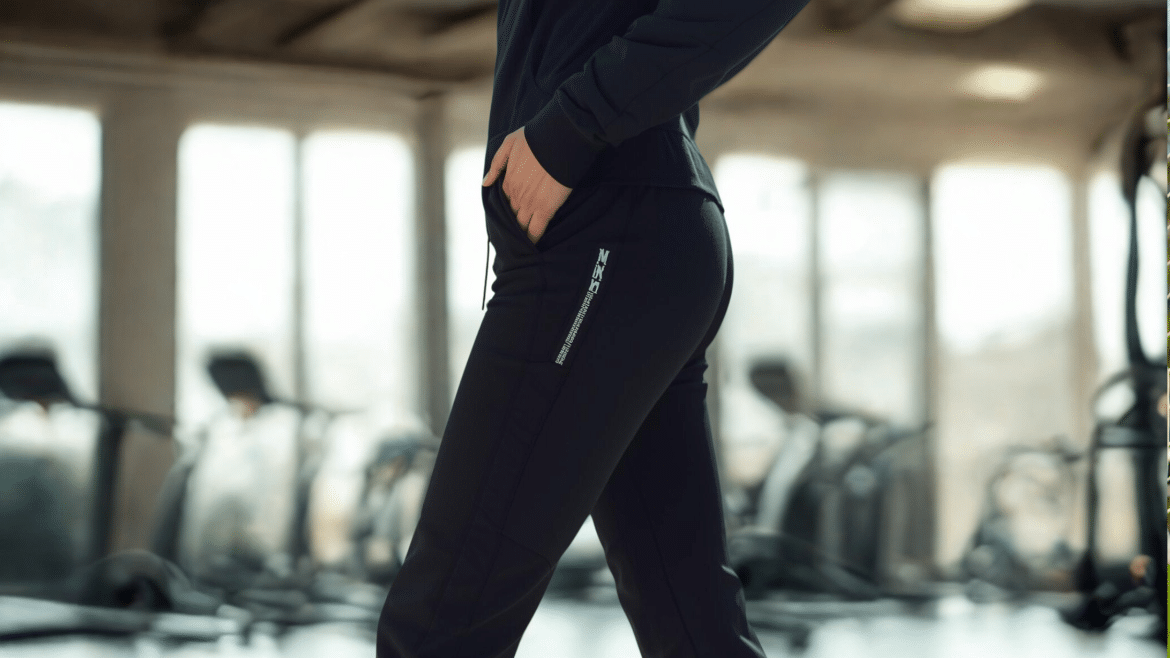
Most of us have had that awkward moment before a run or workout, phone in one hand, keys in the other, trying to pretend it all feels normal. However, it didn’t, and somewhere along the line, sportswear companies finally noticed and introduced sportswear with pockets. Movement is easier when you’re not carrying half your essentials like loose change.
For years, activewear looked great but didn’t offer any storage. No pockets, no space, just “figure it out,” but life changed. We carry more now, and workouts blend into the rest of the day. So pockets started showing up, first in leggings, then shorts, then pretty much everything.
It isn’t some big trend; instead, it’s just workout clothes with pockets catching up to real life. Let’s get into it and read in more detail.
Are Pockets in Activewear Actually Useful for Workouts?
The short answer is yes, pockets help most people, but the longer answer depends on how you like to work out. If you’re the kind of runner who’s chasing tiny improvements in pace, you probably want to stay as light as possible. For everyone else, pockets usually make things easier, not harder.
Studies in sports ergonomics have shown that carrying something small, like a phone or a single key, doesn’t really change performance when it sits close to the body. That’s why most pockets now show up in places that don’t shift much, like the thigh or waistband.
And honestly, our workouts don’t exist in a bubble anymore. A walk often turns into a quick errand, and a run might get interrupted by a call. Having pockets just fits the way people actually move through their day.
Top 5 Benefits of Sportswear with Pockets
Necessity for Modern Essentials
We all carry more now than we did a decade or so ago. Phones have gotten heavier and far more central to everyday life. A recent survey even noted that most adults consider their phones essential for daily tasks, which makes it easy to see why people want them close by, even during a workout.
That’s really where activewear with pockets earns its place. A phone pocket on the thigh, a tiny secret keyhole in the waistband, or even a side pocket so subtle on the side, will allow you to carry the things you rely on. Music, maps, safety, or even the peace of mind that your necessities are not going to fall out of your hands while running, all contribute to a more comfortable, practical workout session.
Hands-Free Movement
Most people underestimate how much carrying something affects form. Even holding a phone on a run causes subtle imbalances. Harvard Health has noted that uneven weight distribution during repeated movement can increase muscle strain over time.
So yes, hands-free is healthier, and it just feels better. If you’ve ever run with a phone in your hand, switching to gym leggings with pockets is a small revelation.
Reliable Safety
A good pocket is more than fabric, it’s peace of mind. Deep pockets keep valuables from slipping, zip pockets keep things locked down, and hidden pockets keep items unnoticeable. For early-morning runners or people in busy environments, that sense of security matters.
Even sports safety guidelines recommend keeping essential items “secured close to the torso” to avoid distraction and accidents, and pockets do that quietly and effectively.
Improved Design
Old pockets were bulky and awkward, as they added weight, pulled fabric downward, and sometimes created that dreaded “phone-shaped imprint.” But now, design has changed.
Laser-cut openings, bonded seams, and compressive fabrics let pockets hold items without changing the shape of your clothes. That’s one reason sportswear with pockets has become so mainstream; design finally caught up to daily needs.
Fusion of Fashion and Function
Athleisure isn’t a trend anymore; it’s just clothing, as most people aren’t switching outfits three times a day. They want gear that works for training and errands and maybe brunch afterward. Pockets help athletic wear live outside the gym. Stylish, simple, practical, and a small detail that makes the outfit feel lived-in rather than “only for exercise.”
The Bottom Line
The sportswear with pocket revolution isn’t going anywhere. It’s one of those rare improvements that genuinely fits modern life without ruining performance. Once you get used to having pockets, going back feels inconvenient, like wearing shoes without laces.
Try one pair of leggings, shorts, or a top with a well-designed pocket. Often, most people quickly realize it’s more than a minor feature; it’s part of what makes moves feel easier, safer, and less cluttered. You can try TD Sportswear to make your athletic wear more interesting by getting it customised.
Frequently Asked Questions About Sportswear with Pockets
Do pockets affect fit or performance in sportswear?
Not when designed well, as research in apparel ergonomics shows that pocket performance depends on placement and compression. Items held close to the body, especially near the hips or mid-thigh, don’t significantly affect gait or balance. Issues usually arise only when pockets are overloaded or placed on loose fabric.
Why is pocket placement important in running and cycling gear?
This is important because movement patterns differ. Running involves vertical motion; cycling involves forward flexion. Sports physiology studies show that bouncing load during a run increases energy expenditure and discomfort, which is why runners prefer mid-thigh or rear waistband pockets. Meanwhile, cyclists need rear pockets that stay flat and don’t interfere with pedaling or saddle contact.
Are zip pockets better than open pockets for sports?
If talking about high-impact activities, yes. Safety guidelines from organizations like ACE suggest zipped pockets prevent accidental loss and reduce distraction. For low-impact training, yoga, strength work, and stretching, open pockets are fine. It’s about matching pocket type to movement style.
Do pockets make sportswear more expensive?
Sometimes, but not always, because added seams, reinforcements, and stretching panels can raise manufacturing costs. However, as pockets have become standard, many brands integrate them without major price changes. Cost differences usually reflect fabric quality more than the pockets themselves.