
 Dec
24
Dec
24
Tour de France Skinsuits – How Aerodynamics Influence Cycling Apparel?
- 24 December 2025
- 0 Comment(s)
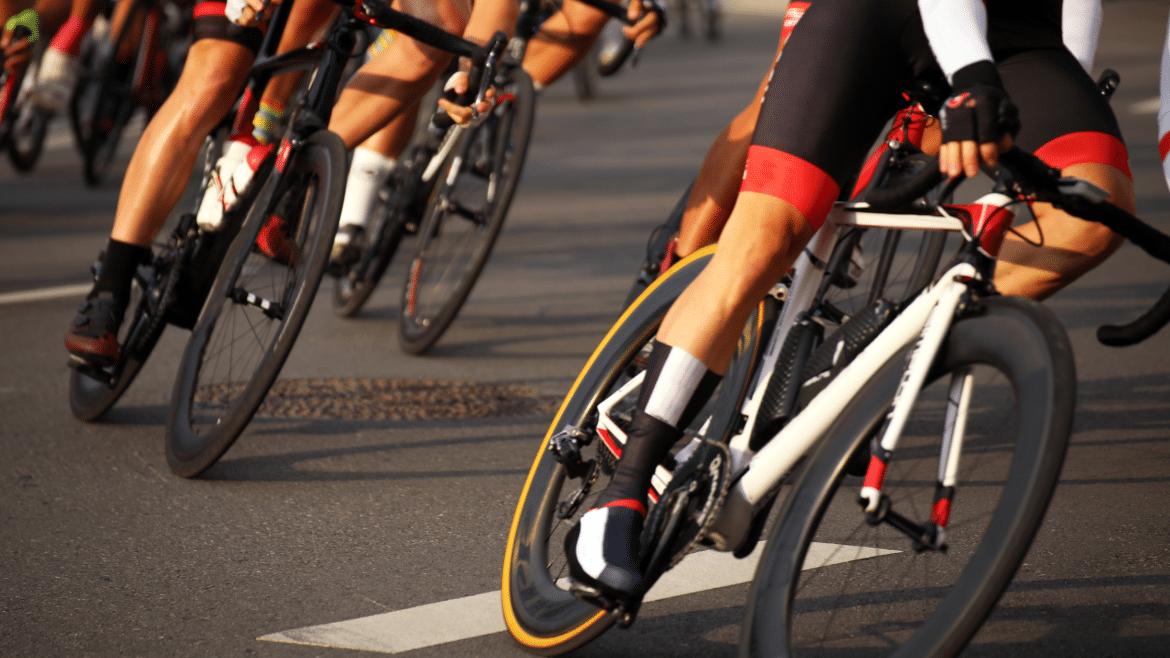
Fans of the Tour de France often focus on fierce climbs and daring sprints, but very few notice the quiet hero shaping those fast moments: the Tour de France skinsuits. These cycling skinsuits look simple, yet they play a bigger role than most fans realise. They smooth airflow, cut drag, and help riders hold speed with less effort. Many pros now treat them as core equipment rather than clothing. It’s a detail rarely discussed, but it changes how fast a rider can go.
Key Highlights from Tour de France 2025
Tour de France 2025 showed that skinsuits now play a role beyond the time trial stages. Several teams used them during flat stages, long breakaways, and even some rolling routes. Riders aimed for stable airflow around their shoulders and arms, where drag tends to build quickly. Most suits combined smooth fronts with textured sleeves, guiding air along the body instead of letting it break away. While fans and athletes are already looking forward to the 2026 race, the 2025 edition was equally thrilling and full of excitement.
Race footage also showed riders wearing tighter suits with soft, low-profile seams. Long sleeves appeared on many fast days, while a few teams used shorter versions in very warm weather. These choices pointed to a clear goal: manage drag without sacrificing comfort. The race made one thing clear. Details in fabric, fit, and sleeve length can influence how a bike moves through the air. Teams did not treat these as style choices; they treated them as ways to save energy over long stages.
Types of Aerodynamic Drag in Cycling
Pressure Drag
To understand pressure drag, it helps to look at the basic drag equation: Fᴰ = ½ ρ A Cᴰ v². Every part of this formula affects how much force pushes against a rider. One key element is A, the frontal area. The bigger the shape facing the wind, the more the air piles up at the front and separates behind the rider. This split creates a wake, and a large wake slows the cyclist down. A smoother, tighter shape leaves behind a smaller wake, so the rider wastes less energy fighting the air. This is why modern cycling suits are designed to fit close to the body.
Skin-Friction Drag
Skin-friction drag comes from air rubbing along the surface of the rider and the suit. In the drag equation, this mostly influences the Cᴰ term, which changes with surface texture. When a suit uses sleek, well-placed fabrics, the air stays attached longer before breaking into small swirls. A good skinsuit keeps this layer of air smooth, reducing friction and helping the rider maintain pace with less strain. This effect becomes even more important in sprints, time trials, and long steady efforts where maintaining speed is everything.
Aerodynamics and Tour de France Skinsuits
Texture Fabrics
Some fabrics used in aerodynamic cycling apparel are not completely smooth. Textured sleeves help manage airflow around the upper arms, which is a high-drag area. These textures guide the air rather than letting it separate too early. Designers place these patterns only where they help. The rest of the suit often uses smooth panels to keep friction low. This mix creates a more stable flow of air across the body, which helps riders maintain speed with less effort.
Skin Tight Fitting
A loose suit creates drag, extra fabric flaps, shakes, and catches air, and this is why a close fit matters. Tour de France skinsuits aim to feel like a second layer of skin. They stay still even when the rider shifts between standing and seated efforts. Fewer wrinkles also mean fewer disruptions to airflow. A close fit reduces both pressure drag and skin-friction drag. Many pros wear custom-fitted suits shaped to their bodies, and this helps them stay aerodynamic even during long rides with changing hand positions.
Body Position Integration
A suit cannot reduce drag on its own, so the rider’s shape plays a major role. A low, compact position helps shrink the frontal area, and this reduces pressure drag. Modern suits stretch in the right places to support this posture. Riders can’t tuck their elbows, lower their shoulders, and still breathe comfortably. When the fit and posture work together, airflow remains smoother. Some teams test riders on their actual bikes during suit fittings. This way, they choose suits that match how the rider holds their body during racing.
Optimal Sleeve Length
Sleeve length influences how air moves across the arms. Long sleeves can guide air more smoothly, which lowers drag in fast conditions. They also keep the transition between arm and shoulder cleaner. Short sleeves feel cooler in hot weather, so some riders choose them for mountain stages or very warm days. The choice depends on speed, temperature, and the type of stage. Fast flat routes often favour long sleeves because the gains are clear at high speeds. Warmer days sometimes favour shorter sleeves to keep riders comfortable on long climbs.
The Bottom Line
A modern cycling suit works as part of the rider’s shape, not just as clothing. At high speeds, its smooth fit helps air flow cleanly, which cuts drag and saves energy. This is why Tour de France skinsuits are now common in pro racing. When paired with a steady body posture, they help riders hold speed with less effort. Thoughtful design supports comfort, control, and consistent performance on the road. TD Sportswear follows the same approach with gear built for real riding needs, including custom cycling sportswear crafted for performance.