
 Feb
02
Feb
02
Seam Placement in Sportswear – How Seams Matter in High-Performance Apparel?
- 2 February 2026
- 0 Comment(s)
Ever finished a long run and realized the clothes hurt more than the workout? That sharp sting on your inner thigh. The red marks left behind by your sports bra strap. The tight pull across your shoulder when you try to stretch. It’s frustrating, and most of us immediately blame the fabric. But in many cases, the real problem isn’t the material. It’s the seams. Seam placement in sportswear can turn a decent outfit into a constant distraction, or into gear you barely notice. Where a seam sits and how it’s built matters just as much as the fabric itself. Let’s take a closer look at how smart seam design shapes truly performance-driven sportswear.
Key Takeaways from Seam Placement in Sportswear
- Seams aren’t just stitch lines. They control friction, stretch, and how the garment interacts with your body.
- Flat, low-profile seams help reduce chafing in high-sweat, high-friction areas.
- In speed-focused sports, seam placement can even affect airflow and drag.
Why Does Seam Placement Matter?
Comfort and Anti-Chafing
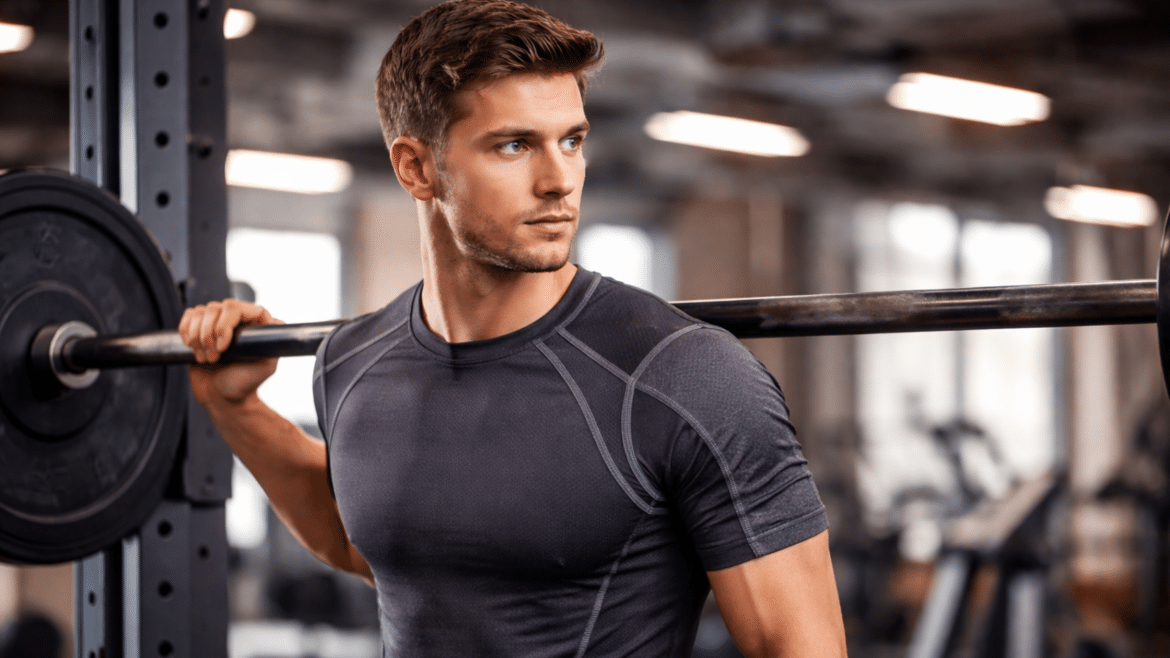
Chafing is a combination of friction, moisture, and repetition. Seams, including the plain ones, produce bulges that contact the same route over and over again. With time, such a line develops pain, particularly in the inner thighs, armpits, bra straps, and waistlines. That is why flatter seams, such as flatlock or coverstitch, are popular among athletic brands. These stitches are placed nearer to the skin and are less bulky, thus more comfortable when subjected to repetitive motion.
Practical athlete check:
- If running, look at the inner thigh. If the seam sits exactly where the legs brush together, that’s a red flag.
- If lifting, check the underarms. A seam landing directly in the armpit crease will show up fast during presses and pull-ups.
Enhanced Range of Motion and Fit
Seams act like both hinges and limits. Poor seam placement in sportswear can limit your range of motion. It can make simple movements feel awkward and uncomfortable. On the other hand, well-designed seams seem to disappear, moving with your body instead of fighting against it. Good sportswear doesn’t rely on straight, rigid lines. It follows the way your body actually moves. It curves around your glutes, supports your joints, and shapes itself around the knee rather than cutting sharply across it.
Easy self-test:
- Drop into a deep squat and hold it. If the waistband or crotch seam digs in, the seam is working against movement.
- Reach both arms overhead. If the shoulder seam pulls backward, it’s likely too high or too straight.
Durability
Even premium fabric won’t last if the seam placement is wrong. Seams are often the weakest point under load, which is why standardized seam strength testing exists. Crotch, inner thigh, knee bend, underarm panels, and bra strap junctions are referred to as high-stress zones.
Seams placed in areas where the fabric strains violently with each repetition of the movement result in breakdown more quickly. Smart seam construction in athletic wear spreads that stress using curved panels, reinforced stitching, and fewer sharp seam intersections where tears begin.
Aerodynamics and Performance
For speed-focused sports like cycling, sprinting, or speed skating, seams do more than hold fabric together. Surface features, including seams, can influence airflow and drag.
The takeaway isn’t that seams instantly make you faster. It’s that seams placed in high-pressure airflow zones can increase drag, while better placement can slightly reduce it. At high levels, those marginal gains matter.
Seam Placement in Sportswear by Garment Type
Leggings
Leggings can either prevent chafing or cause it.
What works well:
- A gusseted crotch (diamond or triangle panel) instead of multiple seams meeting at one point.
- Inner thigh seams are angled slightly forward or backward, rather than sitting directly on the friction line.
- Flat waistband seams that don’t dig during hinging, squatting, or running.
What to watch for:
- Thick seams running straight down the inner thigh.
- High compression combined with stiff seams that feel secure but cut into skin over time.
Sports Bra
Support requires structure, and structure usually means seams, so placement is critical. Better sportswear seam designs typically include:
- Seams that avoiding peak shoulder movement zones, especially for overhead training, is key.
- A wide, flat band seam instead of a thin elastic line that rolls or digs in.
- Minimal bulky seams at the sternum and under-bust, where sweat accumulates.
Quick test: Wear the bra for 20 minutes at home and do jumping jacks plus overhead reaches. Early irritation won’t disappear later in a workout.
Jackets and Outer Layers
Outer layers demand smart seam placement for both movement and protection.
Strong design choices include:
- Shoulder seams should be positioned away from the shoulder cap, especially if carrying a backpack.
- Underarm seams shifted slightly down and forward to allow reach without bunching.
- Taped or bonded seams in wet conditions to prevent water penetration through needle holes.
Outerwear takes constant abuse from straps, zippers, and abrasion, so reinforced seams aren’t optional; they’re essential.
The Bottom Line
Seam placement in sportswear is quiet. They don’t show up on tags like “breathable” or “four-way stretch.” But when they’re wrong, they dominate the experience. When they’re right, focus stays on pace, form, and performance, not on discomfort. When comparing gear, look beyond fabric. Keep up with the seam lines, bend and stretch, and run in the garment, squat, reach, and jog. The right seams are not opposing the body but moving alongside it.
Brands that are concerned with technical construction are attentive to paneling, sewing, and the location of seams. TD Sportswear focuses on how custom sportswear and other garments are built for movement, not just how they look.