
 Jan
26
Jan
26
Professional Cycling Race Kits: How Do Professional Cycling Teams Select Race Kits?
- 26 January 2026
- 0 Comment(s)
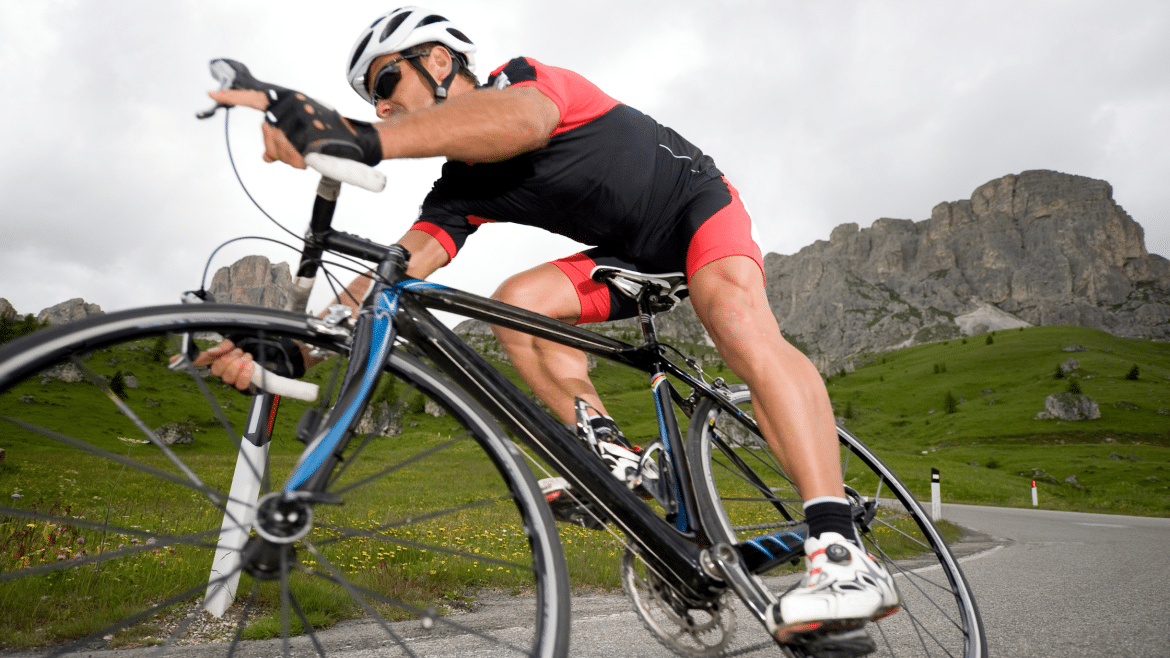
In professional cycling, clothing is never just clothing, and in reality, it never has been. Long before a rider clips in at the start line, countless decisions have already been argued over, tested, rejected, redesigned, and tested again. From bikes and nutrition to equipment and training tools, every detail is examined closely, and quietly, relentlessly, the race kit becomes part of that same demanding process. Professional cycling race kits are not pulled together in a design studio and signed off within a single week. Instead, they grow out of long meetings, repeated rider complaints, sponsor expectations, and endless revisions, all driven by one clear objective: no distractions and no excuses. As when heat, wind, rain, and fatigue arrive together, poor-quality gear becomes impossible to ignore.
That is precisely why cycling team race kits are built slowly and carefully, through months of refinement and repeated evaluation.
Key Takeaways from Professional Cycling Race Kits
Before getting into the details, a few points stand out:
- Race kits combine science, branding, and real-world experience
- Comfort and aerodynamics matter as much as appearance
- Riders actively shape final designs
- Materials and colors change with each season
- Well-designed cycling team race kits support both performance and identity
Top 5 Factors that Impact the Selection of Professional Cycling Race Kits
Sponsor Obligations
Cycling, at every professional level, runs on sponsorship, and there is simply no way around that reality. Teams need long-term partners, partners need visibility, logos must remain clear, colors must match brand guidelines, and official design manuals are followed with extreme precision. These requirements are reinforced by the UCI official cycling regulations on equipment, which outline strict standards for kit design, sponsor placement, and competition compliance.
However, experienced teams understand something crucial: visibility means very little without consistent results. For that reason, most sponsors now work closely with manufacturers. allowing performance to lead while branding follows. This balance has gradually become central to modern cycling race kit selection.
Performance Engineering
Modern professional cycling race kits are shaped by data and, increasingly, by enormous volumes of it. Stretch rates, heat retention, airflow efficiency, and moisture management are measured in controlled environments and validated under real racing conditions.
Compression zones are positioned to support muscles, ventilation panels are placed where heat naturally builds, and every small adjustment creates a measurable impact over long stages. Prototypes are tested and ridden hard in training, in competition, and in bad weather before they get out of the design phase to assure that only good designs make it to the peloton.
Aerodynamics
Aerodynamics continues to dominate performance discussions in professional cycling. Even the slightest of advantages are important at race speeds, whether in the form of smoother sleeves, tighter collars, finer fabric textures, or a better position of the seam. Consequently, this has seen the emergence of wind tunnel testing and on-road aerodynamic tests as a common practice by elite teams. A scientific review of cycling aerodynamics and apparel confirms that even minor reductions in drag through clothing design can lead to meaningful performance improvements at elite race speeds.
However, pure speed alone is never enough. Overly stiff kits restrict movement, restriction increases fatigue, and fatigue ultimately costs races. Therefore, modern pro cycling apparel must balance speed, flexibility, and long-term comfort. That balance remains the primary target.
Kit Variety
No professional team can realistically survive on a single race kit throughout the season. The different races, climates, and landscapes require special solutions that keep up with the changing conditions.
Lightweight kits will see riders through the hottest days, thermal choices will keep users cozy in low-temperature conditions. Along with that, waterproof fabrics will help to fight against the unpredictable weather, and special editions will be used to celebrate the major events. All variations have their rationale, and the ultimate aim is to enable the riders to concentrate each and every minute on racing and not on pain.
Rider Input
Data, engineering expertise, and laboratory testing remain essential elements of development. Nevertheless, nothing replaces direct rider feedback gathered through daily training and competitive experience.
Padding that feels too thick, unstable pockets, collars that cause irritation, and fabrics that trap heat are problems identified through lived experience, not spreadsheets. For that reason, successful teams listen carefully and consistently to their riders.
Key 2025/2026 Team Kit Trends
Color Shifts
Flat and basic color schemes are gradually fading across professional cycling. Instead, teams are embracing gradients, layered tones, subtle textures, and carefully controlled visual complexity that adds personality without overwhelming the design. At the same time, restraint remains essential, since excessive experimentation rarely survives long in elite racing environments.
Material Upgrades
Fabric development continues to accelerate across the professional peloton. Better breathability, reduced drying times, longer lifespan, and better stretch properties are no more optional improvements but the rule of thumb. Moreover, sustainability has also turned into an increasingly popular focus, and recycled fibers, low-impact manufacturing practices, and environmentally friendly sourcing have become commonplace.
Design Evolution
Design direction is becoming quieter, cleaner, and more function-focused. Manufacturers are minimizing the unwarranted seams, reinforcing the pockets, incorporating better grippers, and fine-tuning the padding system to make it comfortable during long-distance travel. Every element is engineered to disappear once riding begins, allowing athletes to remain fully immersed in competition. High-quality professional cycling clothing should never demand attention; it should simply work without distraction.
The Bottom Line
Professional cycling race kits have never been only about appearance, and they never will be. Each kit represents months of testing, negotiation, refinement, and compromise among sponsors, engineers, and riders, with every detail examined carefully.
Cycling race kit selection demonstrates how preparation extends far beyond training plans and physical conditioning. The right kit supports endurance, sharpens focus, and reduces unnecessary mental strain.
TD Sportswear illustrates how close collaboration produces lasting progress, achieved not overnight and not easily, but through constant refinement. That is how professional cycling clothing or custom sportswear is built: slowly, carefully, and relentlessly.